
A circuit of the high Khumbu
A Base Camp trek can be an out-and-back walk. This journey is a wider loop. After the flight to Lukla, the route climbs through Namche Bazaar and Tengboche into the Imja Valley, crosses Kongma La to the Everest side, then turns west over Cho La to the Gokyo Lakes and over Renjo La to Lunden. It returns through Thame and Namche. The result joins the great Everest viewpoints, Base Camp and Kala Patthar, to the quieter lakeland of Gokyo, with Gokyo Ri as a third vantage point. It is demanding, and it asks for steady fitness and a willingness to spend long days at altitude. Rest days and shorter stages are placed around the harder moments. Private airport transfers at either end give the trek a calm beginning and end.
The route, pass by pass
The three passes give the route its character. Kongma La (5,535 m) is the highest and the first, crossed from Chhukung to Lobuche with a careful descent on the far side. Cho La (5,420 m) links Dzongla to Gokyo and involves a glacier crossing and steep rock, so it asks for focus rather than speed. Renjo La (5,360 m), the last, takes you from Gokyo to Lunden and is regarded as a little easier because its steep sections are less severe. Between the passes come Everest Base Camp (5,364 m) beside the Khumbu Glacier, the dawn climb to Kala Patthar, and the ascent of Gokyo Ri (5,357 m) above the Gokyo Lakes and the Ngozumpa Glacier. Descents matter too: the final walk down towards Lukla includes steeper sections that can be hard on the knees.
Sherpa country and its monasteries
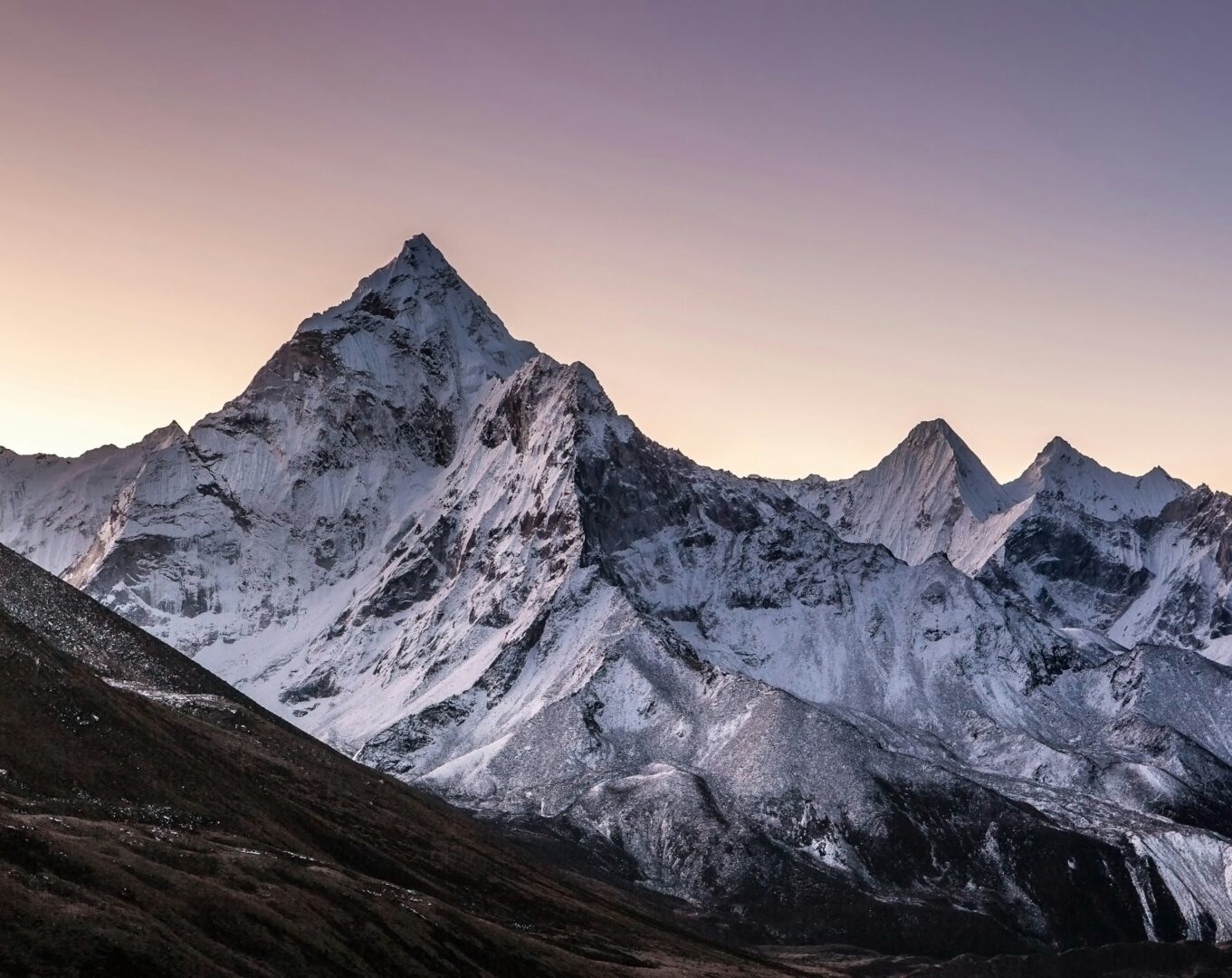
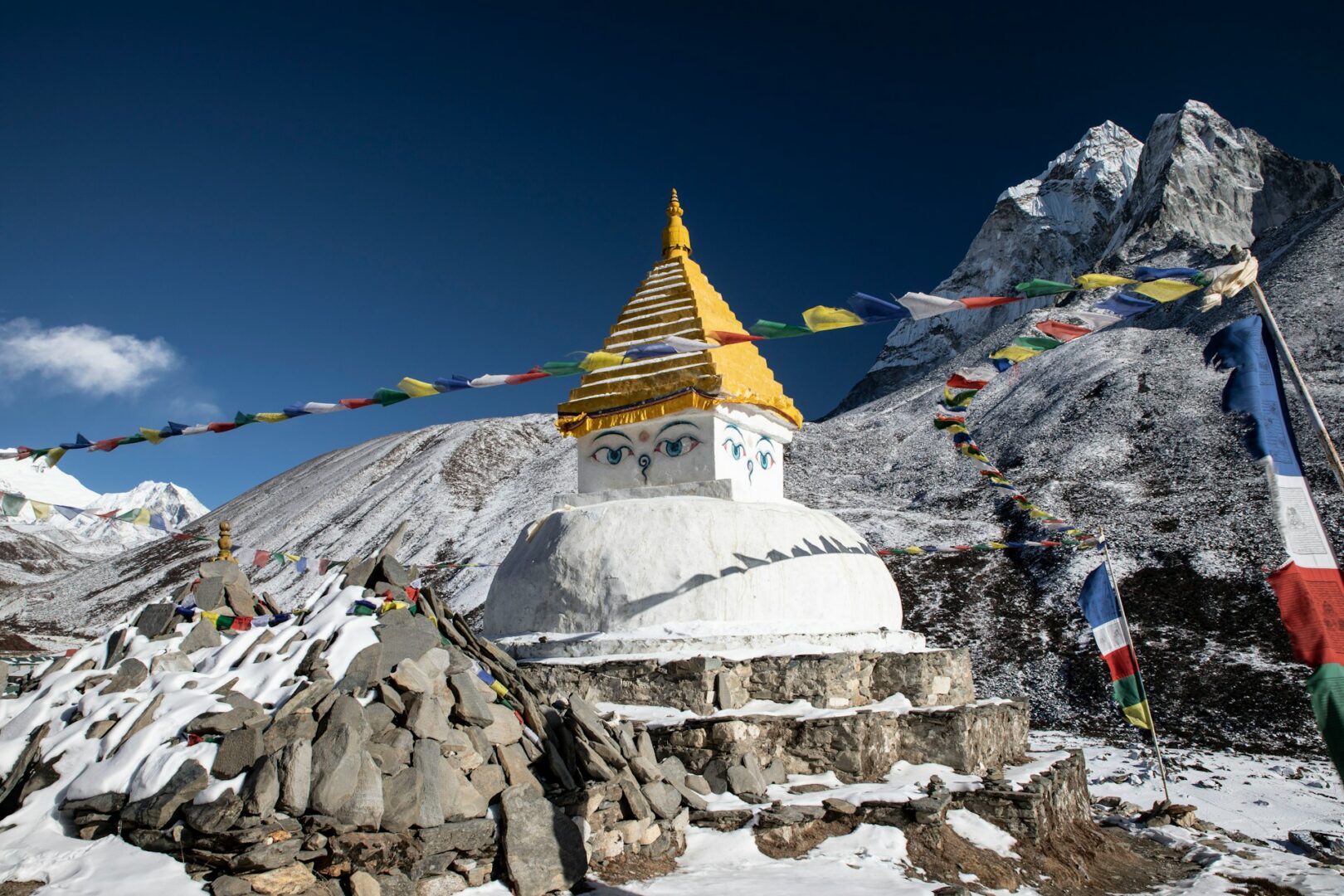
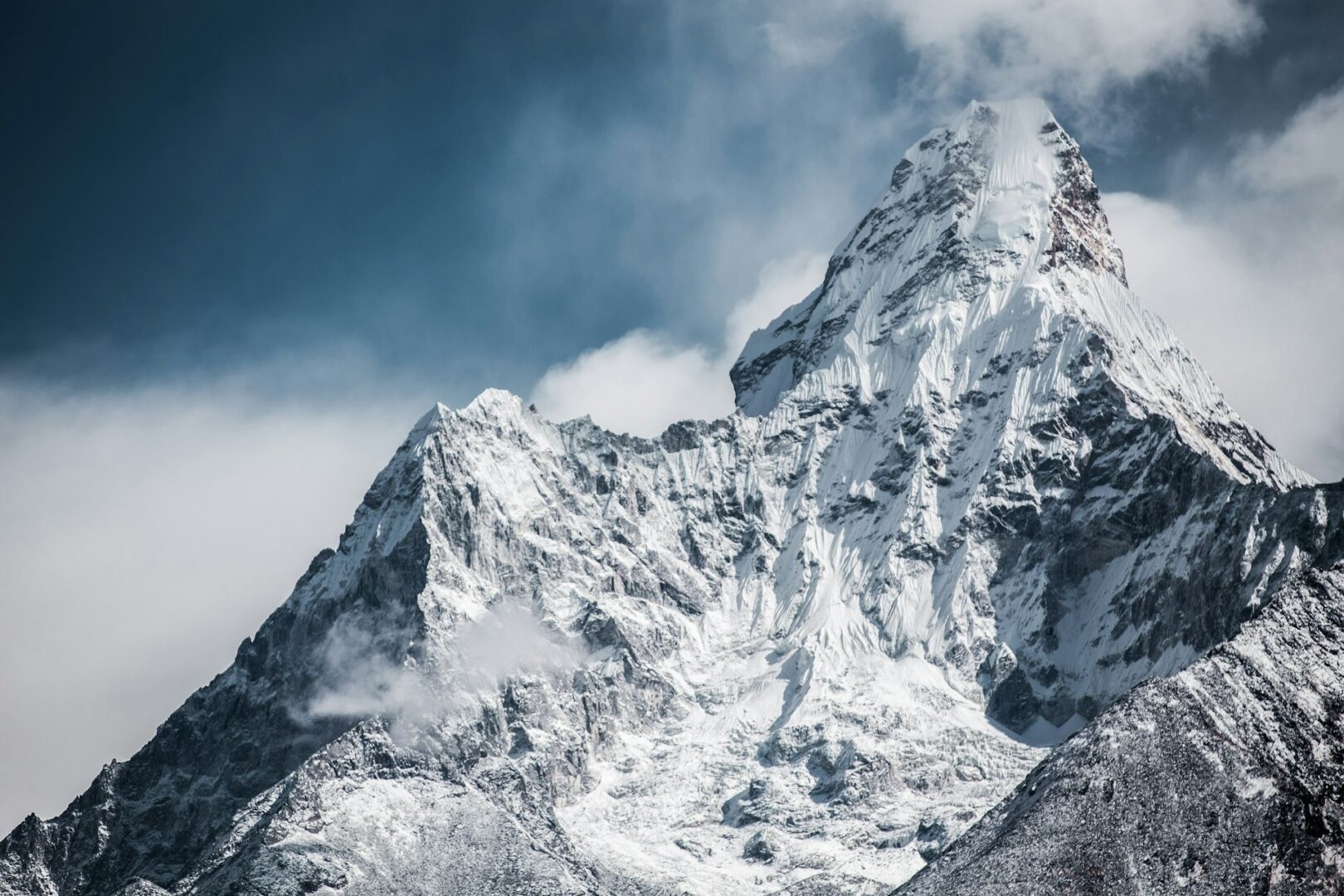
The Khumbu is Sherpa homeland, and the trail makes that visible. From Lukla onwards you pass prayer flags, gompas, chortens and monasteries. Tengboche Monastery, regarded as the spiritual heart of the region, sits among Ama Dablam, Thamserku and Everest and offers a quiet setting for prayers and blessings. In Namche Bazaar, the Sherpa Museum tells of the pride and history of the Sherpa people, and the town’s markets and bakeries show everyday life. Thame’s monastery and cultural heritage provide a peaceful stop late in the journey. Respect for sacred sites is part of travelling well here, and conversations with local people along the trail are part of what the route offers. Festivals such as Dashain and Tihar in autumn and Lhosar in spring add colour to the seasons, though their dates vary from year to year.
Pace, effort and altitude
This is a strenuous trek. Three passes above 5,000 m, Everest Base Camp and Kala Patthar make altitude the main consideration, and altitude sickness is a real risk that deserves respect. The route manages it in stages: rest days with hikes at Namche Bazaar and Dingboche, a shorter walk to Chhukung before Kongma La, and a descent to Lobuche after the Kala Patthar climb. Your guide checks in on how you are feeling each day, and early symptoms such as headache, dizziness or nausea should be reported rather than endured. Several days are long, with stretches of seven to eight hours, and the ground is rugged on the passes. None of this removes the effect of altitude, and individual responses vary. We encourage you to speak to your doctor before booking and to arrange insurance that covers trekking at this height.
Where you sleep, what you eat
In Kathmandu you stay at Hotel Dwarika’s or Hyatt Regency, with breakfast included. On the trail the lodging is simple: teahouses at almost every stop, with twin-sharing beds and shared bathrooms. A hot shower may be available at lower stops, but facilities become sparser the higher you go. A sleeping bag is recommended for warmth, and we can help you find a suitable one. Meals on the trek are included. Expect hearty, basic food such as dal bhat, soups, pasta, noodles and Tibetan bread, with tea, coffee and hot lemon widely available. Variety is greatest in lower villages such as Phakding and Namche Bazaar and narrows as you climb. Water purification tablets are recommended. These are working mountain lodges, not hotels, and we describe them plainly so that you can plan accordingly.
When to walk
Spring and autumn are the seasons for this route. In spring, rhododendrons flower and the lower valleys turn green below 4,000 m. Trails are dry and temperatures moderate, which eases the pass crossings, and the remote trails see fewer people than in autumn. Occasional showers can arrive in late May. Autumn is the most popular season, with crisp, clear days and stable, dry weather after the monsoon, and the festival of Dashain adds cultural richness. In both seasons temperatures fall below freezing at the highest points. Mountain weather can change, and flights and pass crossings are always subject to conditions on the day, which your guide will manage as the route unfolds.
Our approach
We prefer to describe our practice in specific terms:
- Licensed, English-speaking trekking guides, 1 guide for every 7 guests.
- Porters, 1 porter for every 2 guests.
- Acclimatisation days at Namche Bazaar and Dingboche built into the itinerary.
- All required permits arranged on your behalf.
- Salary and insurance for all crew members.
- Private airport transfers on arrival and departure.
- Daily guide check-ins on how each guest is feeling.
We make no promises about weather, flights or views. We plan carefully and adjust honestly.