
Why altitude is the main consideration
This is a strenuous trek. Three passes lie above 5,000 m, and Everest Base Camp and Kala Patthar sit at similar heights. Altitude sickness is a significant risk on a route like this, and it can begin above about 3,000 m. The first symptoms are headache, dizziness and nausea, and they need prompt attention so they do not worsen. The reason this matters is that the body adapts to thinner air gradually, and the itinerary is built around that process.
How the itinerary handles it
• Day 3 reaches Namche Bazaar (3,440 m). Day 4 is an acclimatisation day there, with an optional hike to Hotel Everest View.
• Sleeping elevations rise in stages: Tengboche (3,860 m) on Day 5 and Dingboche (4,410 m) on Day 6.
• Day 7 is a second acclimatisation day, with a short, steep hike towards Nangkartsang Peak (5,083 m), returning to Dingboche to sleep.
• Day 8 is a short walk of about four hours to Chhukung, to prepare for Kongma La.
• The three passes fall on Days 9, 13 and 15, and Kala Patthar follows Everest Base Camp on Day 11, with a descent to Lobuche afterwards.
The effort on foot
Walking times run from about four hours on Day 8 to seven or eight hours on Day 13, and about eight hours on Day 15. Day 6 takes five to six hours, Day 10 six to eight, and Day 18 six to seven. Cho La includes a glacier crossing and steep rock, and the long descent on Day 18 can be hard on the knees. The ground is rugged on the passes, so a steady pace matters more than speed.
What you can do
Hydrate well, ascend slowly and tell your guide promptly if you notice a headache, dizziness or nausea. Your guide checks on guests every day. Please speak to your own doctor before booking, and take any question about altitude medication to them before you travel.
What is not covered
Personal medical and evacuation insurance is not included, so please arrange it yourself. See the Permits, visa & insurance topic.
Health & altitude
Weather & seasons
Spring
Spring is the second of our two seasons and brings flowering rhododendrons and green foliage below 4,000 m. The supplied seasonal notes put temperatures at about 5–15°C in lower areas such as Namche (3,440 m), falling below freezing at higher points such as Kala Patthar. Skies are often clear, though occasional showers can arrive in late May. Dry trails and moderate temperatures make the pass crossings easier, and the remote trails see fewer people than in autumn.
Autumn
Autumn is the most popular season for this route. Temperatures range from about 10–20°C in the lower regions to below freezing at high points. Weather is generally stable and dry, and clarity after the monsoon can help visibility of peaks such as Lhotse and Cho Oyu. The festival of Dashain falls in this season and adds cultural richness, though dates vary each year.
Cold at height
In both seasons, nights are cold and temperatures drop below freezing at the highest points, including the passes and Kala Patthar. Higher teahouses have few facilities, which is why a sleeping bag is recommended for warmth.
Weather and the plan
Mountain weather in the Khumbu can be unpredictable. We do not promise weather, views or viewpoint access. Flights to and from Lukla, and the pass crossings on Days 9, 13 and 15, depend on conditions on the day. Your guide will adjust the plan when conditions call for it, and the itinerary should be read as the plan rather than a guarantee.
Where you sleep & eat
In Kathmandu
You stay at Hotel Dwarika’s or Hyatt Regency on Day 1 and again on Day 19, with breakfast included. Dinner in Kathmandu, and any Kathmandu meal other than breakfast, is not included.
Teahouses on the trail
The trail has teahouses at almost every stop. They offer twin-sharing beds and shared bathrooms. A hot shower may be available at some lower stops, but higher up there are fewer facilities. We describe these as simple mountain lodges, not hotels. A sleeping bag is recommended for warmth, and we can help you find a suitable one.
Meals
Breakfast, lunch and dinner are included on the trek. Teahouse food is hearty and basic: dal bhat, soups, pasta, noodles and Tibetan bread, with tea, coffee and hot lemon widely available. Variety is greatest in lower villages such as Phakding and Namche Bazaar and narrows as you go higher, so it helps to arrive with modest expectations.
Drinking water
Water purification tablets (chlorine) are recommended for the trek. Your guide can advise on drinking water along the route.
Charging, connectivity and cash
Facilities become more limited with height. Personal expenses of any kind are not included in the package, so plan for them yourself, and tips for guides and porters are also not included.
Guides, porters & packing
Your guides
Your trek is led by licensed, English-speaking trekking guides, with 1 guide for every 7 guests. Your guide checks in on how each guest is feeling every day and reports changes to the group’s pace. Guides also share what they know of the Khumbu and Sherpa culture along the way.
Porters and baggage
There is 1 porter for every 2 guests. You meet your porters at Lukla on Day 2. The porters carry your main baggage so that you can walk with only what you need for the day. Baggage limits are not covered here.
Crew welfare
Salary and insurance are provided for all crew members. Tips and gratuities for guides and porters are not included in the package.
What to pack
Pack for a wide range of conditions, from warm lower valleys to temperatures below freezing at the passes and Kala Patthar. That means jackets and inner thermal layers, a sleeping bag, and water purification tablets (chlorine). Bring your own medications as advised by your doctor, and snacks you enjoy. We can help you find a suitable sleeping bag and other gear
Flights & transfers
Kathmandu to Lukla
On Day 2 you take an early-morning flight from Kathmandu to Lukla, a journey of about half an hour. You then begin walking, with your porters, along the Dudh Koshi river to Phakding.
The return flight
On Day 19 you fly from Lukla back to Kathmandu, weather permitting, and transfer privately to your hotel. Dinner in Kathmandu is not included.
Private transfers
Private transfers, including airport transfers on arrival (Day 1) and departure (Day 20), are included.
When weather intervenes
Flights in the mountains depend on weather. Delays can change a day, and we cannot promise flight timings. Your guide will adjust the plan when this happens.
What is not included
International flights are not included
Permits, visa & insurance
Permits
Two permits are required: the Sagarmatha National Park entry permit and the Khumbu Pasang Lhamu Rural Municipality entry permit (Trek Card). We obtain all required permits on your behalf, and they are included in the package. Permit costs are not shown on this page.
Visa
The Nepal visa fee is not included. Please arrange your visa before you travel.
Insurance
Personal travel, medical and evacuation insurance is not included. We strongly recommend comprehensive insurance for a high-altitude trek. Please check that your policy covers trekking at this altitude, with a highest point reached of 5,545 m.
Emergencies and altitude
Tell your guide promptly if you feel unwell. We make no promises about evacuation speed, which depends on conditions, so insurance matters.
Culture & customs
Sherpa culture on the trail
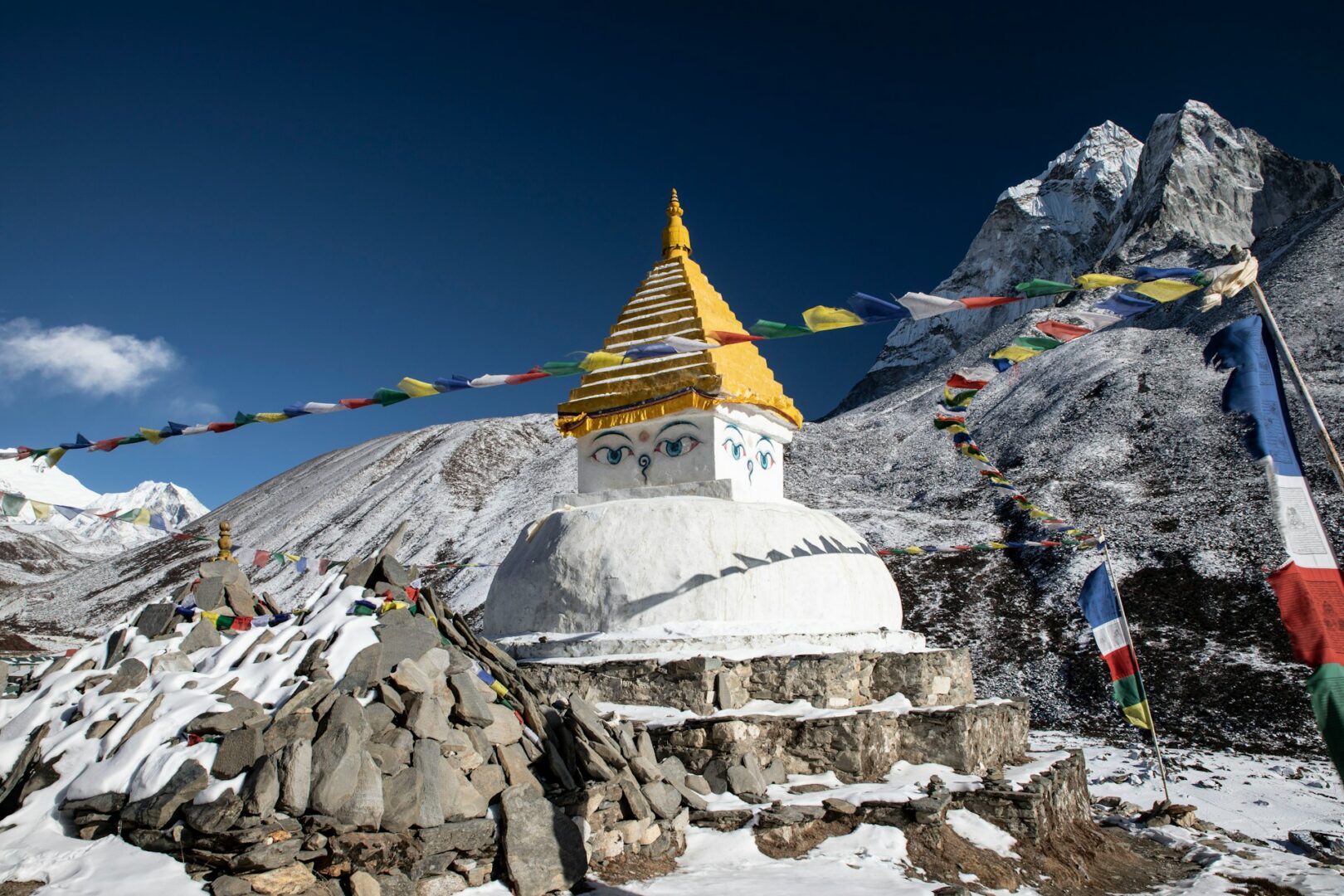
The Khumbu is Sherpa homeland. From Lukla onwards you pass prayer flags, gompas, chortens and monasteries, and you will meet local people in the villages and lodges along the route.
Monasteries and the museum
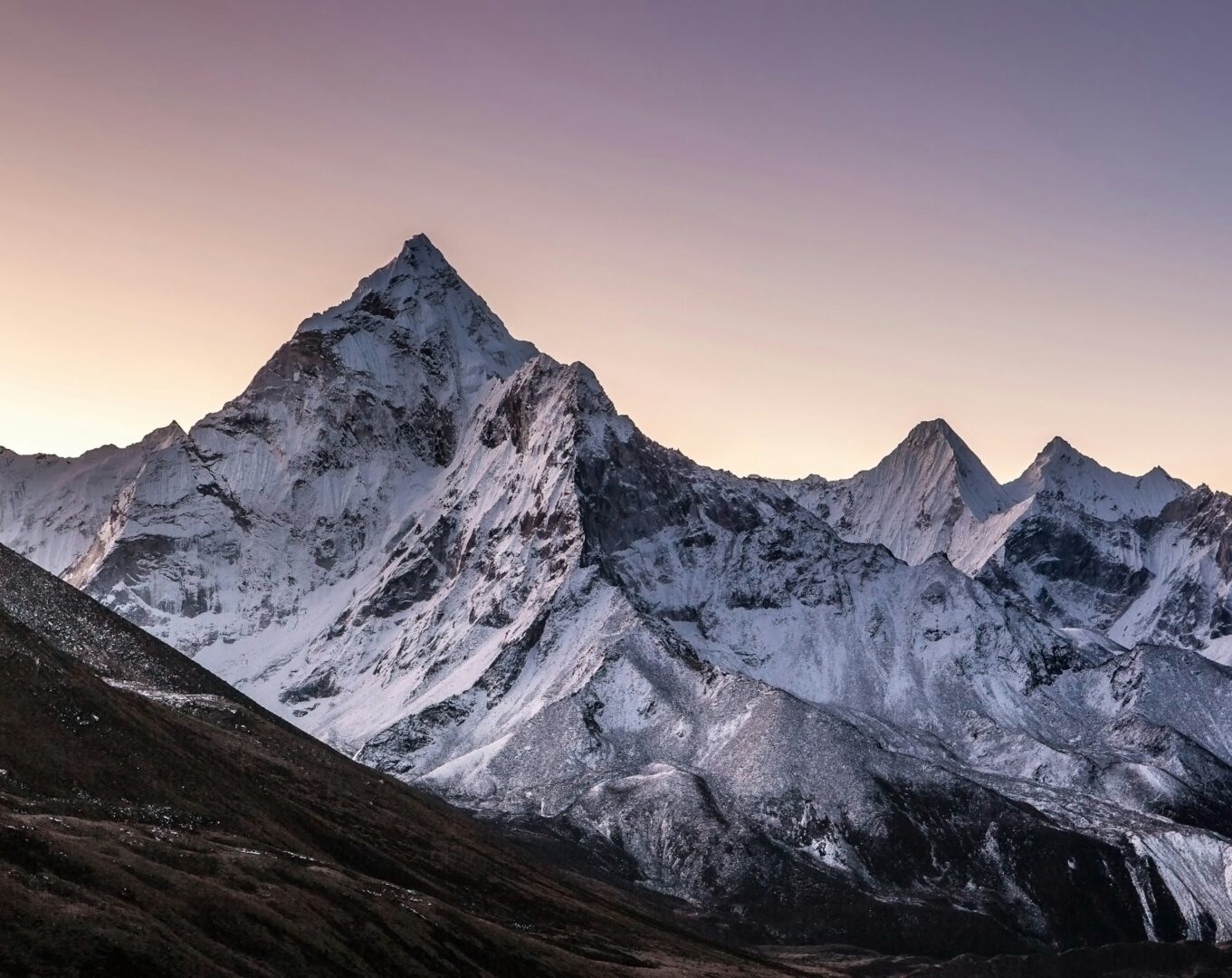
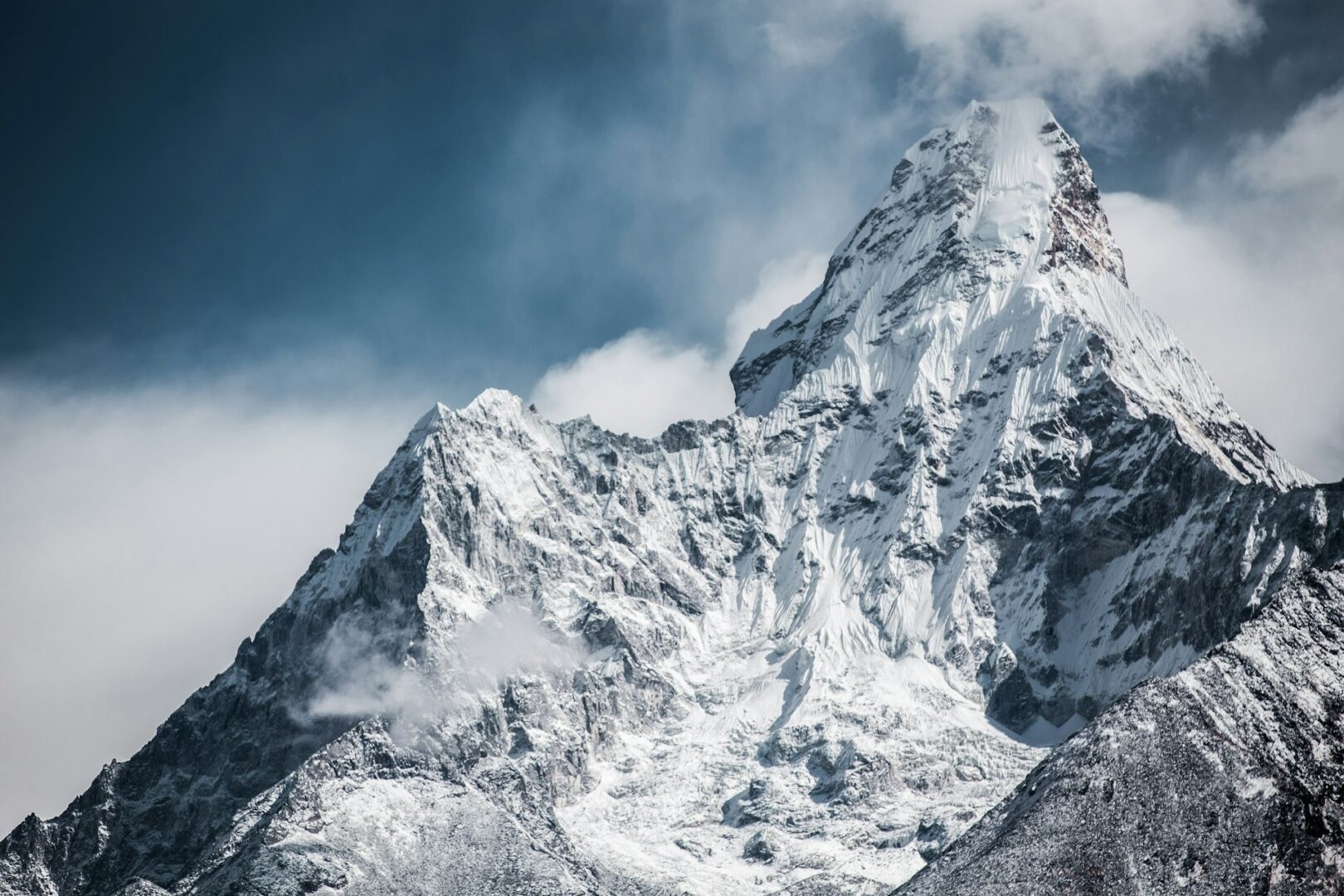
Tengboche Monastery, the spiritual heart of the Khumbu, sits among Ama Dablam, Thamserku and Everest. Thame’s monastery and cultural heritage provide a peaceful stop on Day 16. In Namche Bazaar, the Sherpa Museum tells the history and pride of the Sherpa people.
Festivals
Dashain and Tihar fall in autumn and Lhosar in spring. Their dates vary, and we cannot promise that a festival will coincide with your departure.
Travelling respectfully
Respect sacred sites and the people who live and work along the route. Tips and gratuities for guides and porters are not included in the package and are at your discretion.