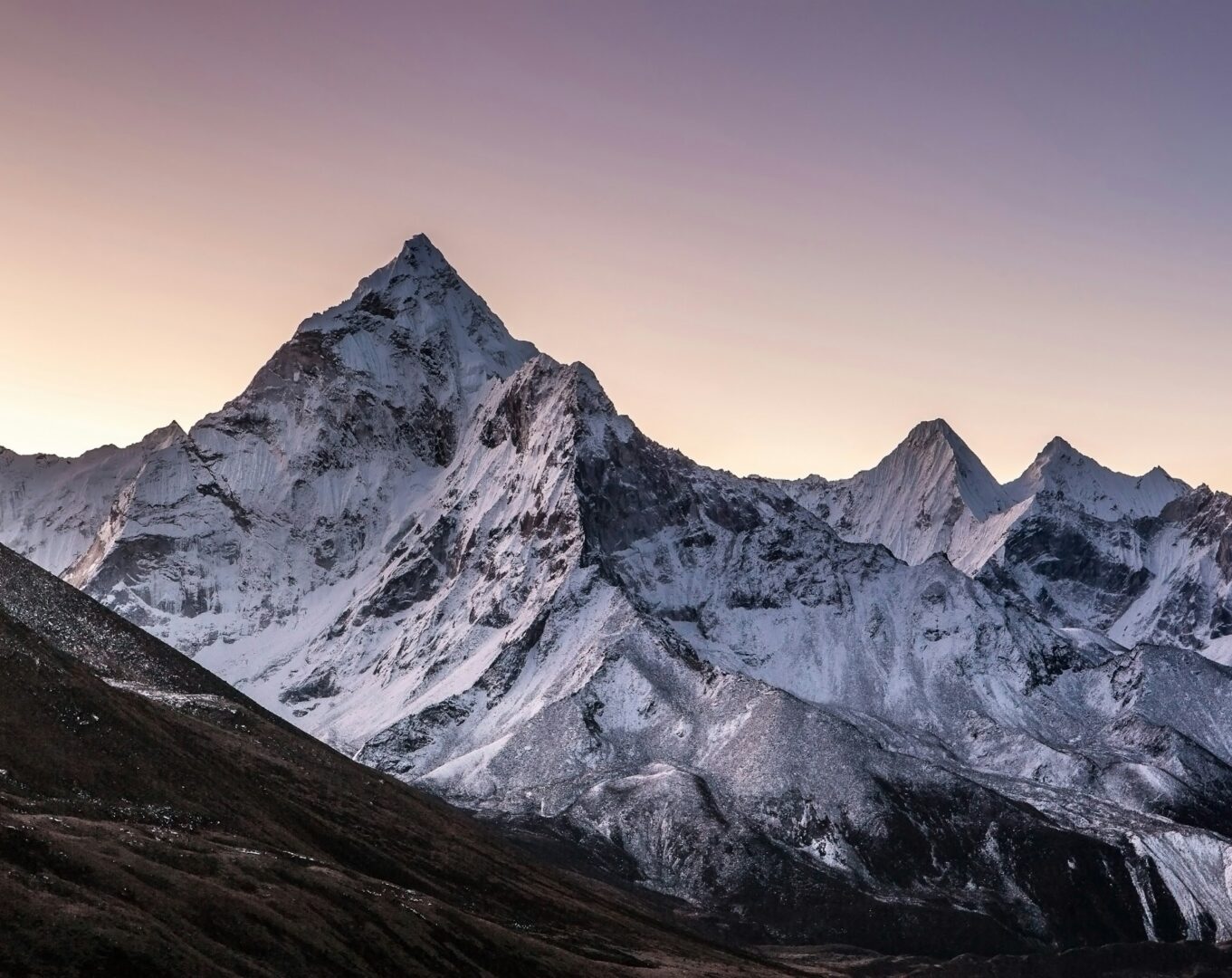
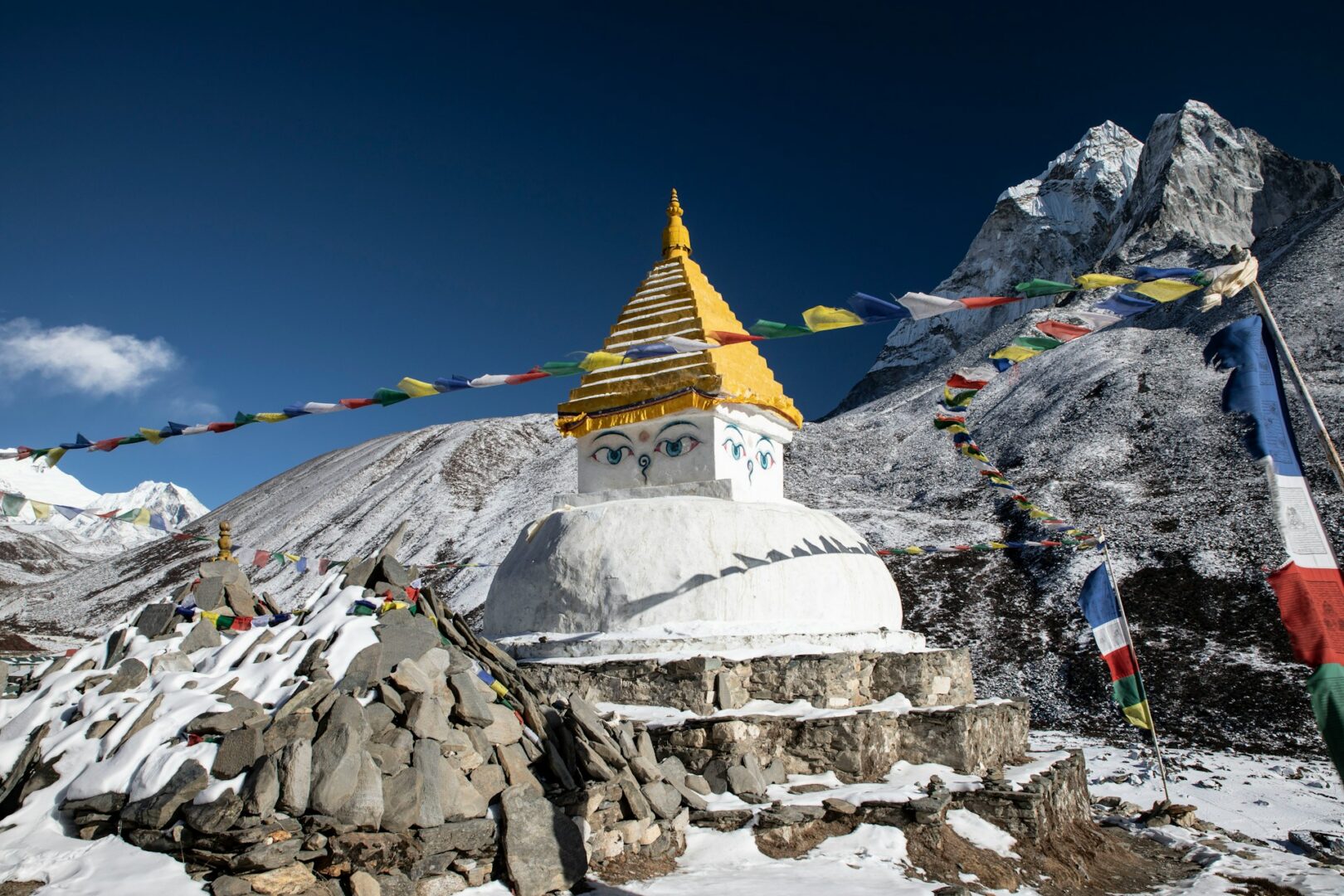
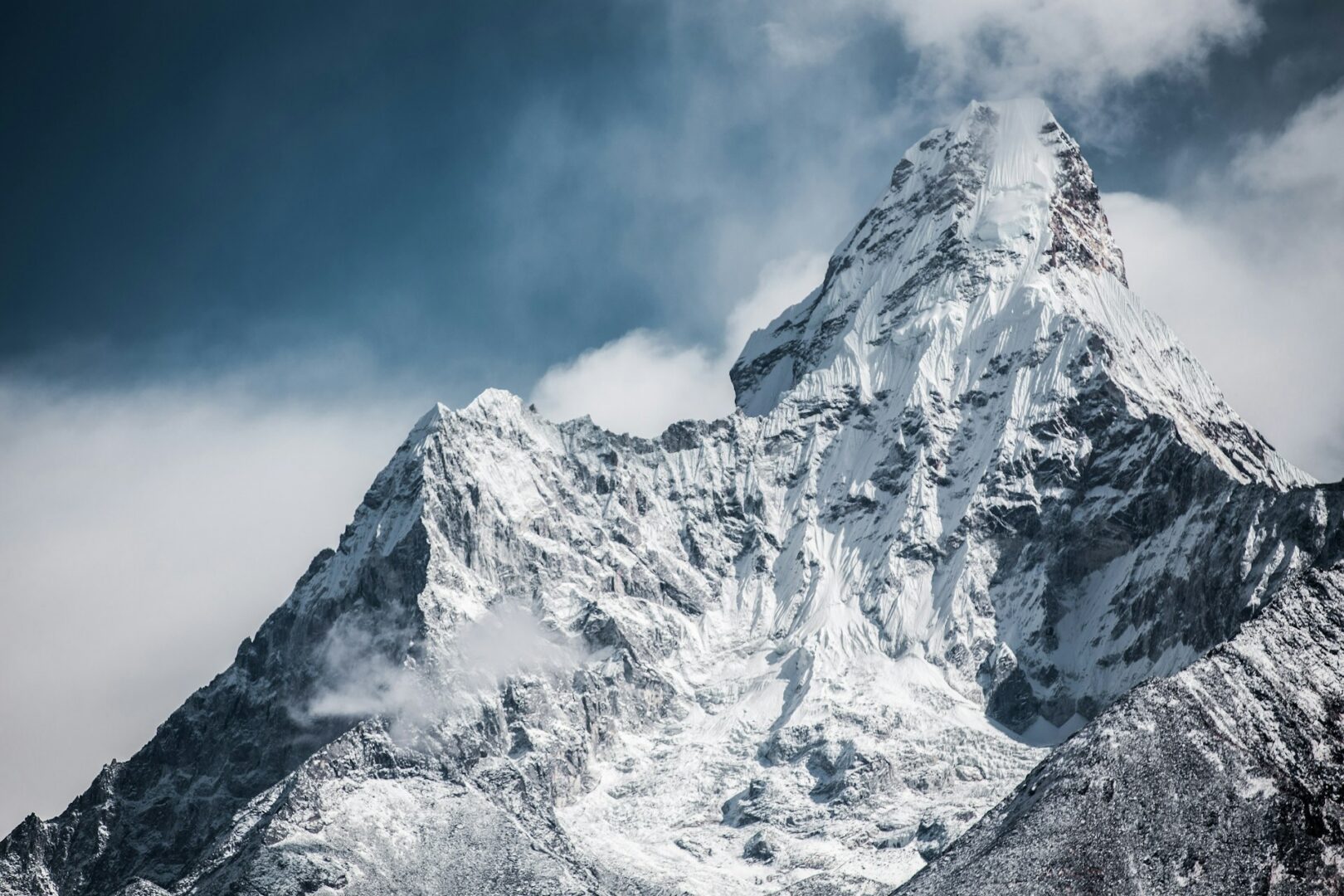
Selecting the right season can significantly enhance your Everest Base Camp Trek experience. While the trek is accessible throughout much of the year, spring and autumn are widely regarded as the best seasons due to their favorable weather, excellent visibility, and comfortable trekking conditions.
Spring, which runs from March to May, is one of the most popular times to visit Everest Base Camp. During this season, temperatures are moderate, skies are generally clear, and the trails come alive with blooming rhododendron forests. The weather is stable, making it easier to enjoy panoramic views of Everest and neighboring peaks. Spring is also the season when many mountaineering expeditions attempt to summit Everest, adding excitement to the atmosphere around Base Camp.
Autumn, from September to November, is another excellent time for the trek. Following the monsoon season, the air becomes exceptionally clear, providing some of the best mountain views of the year. The trails are dry, temperatures are pleasant, and the overall trekking conditions are ideal. Many travelers prefer autumn because of the crisp visibility and vibrant local festivals celebrated throughout Nepal.
Winter, from December to February, offers a quieter trekking experience. The trails are less crowded, and the mountain views can be spectacular. However, temperatures drop significantly, particularly at higher elevations. Snowfall can occasionally affect trail conditions, making proper preparation essential. For trekkers who enjoy solitude and don’t mind colder weather, winter can be a rewarding season.
The monsoon season, from June to August, is generally considered the least favorable time for the Everest Base Camp Trek. Heavy rainfall can make trails slippery, flights to Lukla may experience delays, and cloud cover often limits mountain visibility. Nevertheless, the landscape becomes lush and green, and there are fewer trekkers on the route.
Regardless of the season, proper planning and preparation are essential. Weather in the Himalayas can change rapidly, and trekkers should always pack appropriate clothing and gear. Acclimatization remains crucial throughout the year to reduce the risk of altitude sickness.
Ultimately, the best time for the Everest Base Camp Trek depends on your preferences. If you prioritize clear skies and comfortable temperatures, spring and autumn are ideal. If you seek quieter trails and unique mountain experiences, winter may be worth considering. Each season offers its own charm and perspective on this legendary Himalayan adventure.