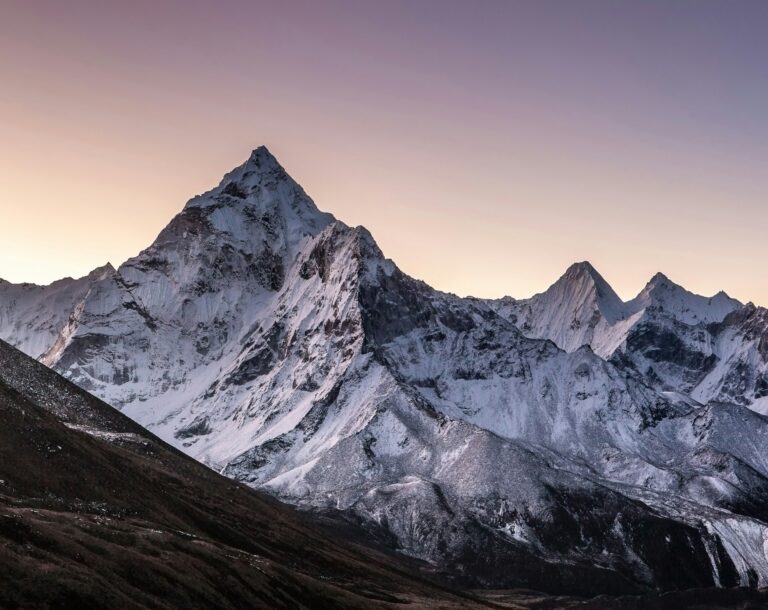
If you ask ten trekkers when the best season for trekking in Nepal is, nine of them will say “October.” And honestly, they’re not wrong. But they’re not completely right either.
Here at The Himalayan Guides, we’ve been walking these trails for more than two decades. We’ve watched the sunrise over Annapurna in the crisp air of November, slogged through leech-infested forests in July, and stood alone on the Thorong La in the dead of January with not another soul in sight. What we’ve learned is simple: there is no single “best” season for trekking in Nepal. There is only the best season for your trek, your goals, and your style of travel.
This guide is our honest, no-fluff breakdown of every trekking season in Nepal, what to expect month by month, and which trails shine at which time of year. Grab a cup of tea (or a masala chai if you’re already in Thamel) and let’s get into it.
Quick Answer: When Is the Best Time to Trek in Nepal?
For those who want the short version:
The best seasons for trekking in Nepal are autumn (late September to November) and spring (March to May). Autumn offers the clearest skies and most stable weather. Spring brings blooming rhododendrons and warmer temperatures. Winter (December–February) is excellent for lower-altitude treks and solitude, while monsoon (June–August) is ideal for rain-shadow regions like Upper Mustang and Upper Dolpo.
Now, the long version, because the details are where good trips become great ones.
1. Why Timing Matters So Much in the Himalayas
Nepal is a small country with an outrageous amount of vertical geography. Within 200 kilometres, you go from steamy, sub-tropical plains at 60 metres above sea level to the summit of Everest at 8,849 metres. That kind of terrain creates microclimates that behave very differently depending on the month.
Three main factors shape Nepal’s trekking seasons:
- The South Asian monsoon – Arrives from the Bay of Bengal in June and dumps roughly 80% of the country’s annual rainfall by September.
- The Himalayan rain shadow – The main Himalayan range blocks monsoon clouds, keeping trans-Himalayan regions like Mustang and Dolpo dry even in July.
- Altitude – For every 1,000 metres you climb, temperatures drop about 6.5°C. A pleasant 20°C day in Kathmandu can mean -10°C at Everest Base Camp.
Get the timing right and you’ll have crystal-clear mountain views, comfortable temperatures, and open trails. Get it wrong and you might spend a week staring at clouds, wading through mud, or turning back at a snow-blocked pass.
2. Nepal’s Four Trekking Seasons at a Glance
Here’s a snapshot comparison before we dive deep into each one.
| Season | Months | Weather | Views | Crowds | Best For |
|---|---|---|---|---|---|
| Autumn | Late Sept – Nov | Dry, stable, mild days, cold nights | Excellent (best of the year) | Very high | All classic treks, high passes, first-timers |
| Spring | March – May | Warming, occasional showers, some haze | Very good (best in early mornings) | High | Rhododendron treks, EBC, Annapurna, climbing peaks |
| Winter | Dec – Feb | Cold, dry, clear, snow at altitude | Excellent (sharp, crisp) | Low | Low-to-mid altitude treks, solitude seekers, photographers |
| Monsoon | June – Aug | Wet, humid, cloudy, leeches | Poor (except rain shadow) | Very low | Upper Mustang, Upper Dolpo, Nar Phu, botanists |
3. Autumn (September–November): The Golden Season
Why Autumn Is the Most Popular Time to Trek in Nepal
When the monsoon finally packs its bags in late September, it leaves behind something magical. The rains have washed every particle of dust and pollution out of the atmosphere. The result is visibility that can stretch for 100 kilometres or more. Mountains you’d never notice in other months suddenly appear on the horizon like they’ve been switched on.
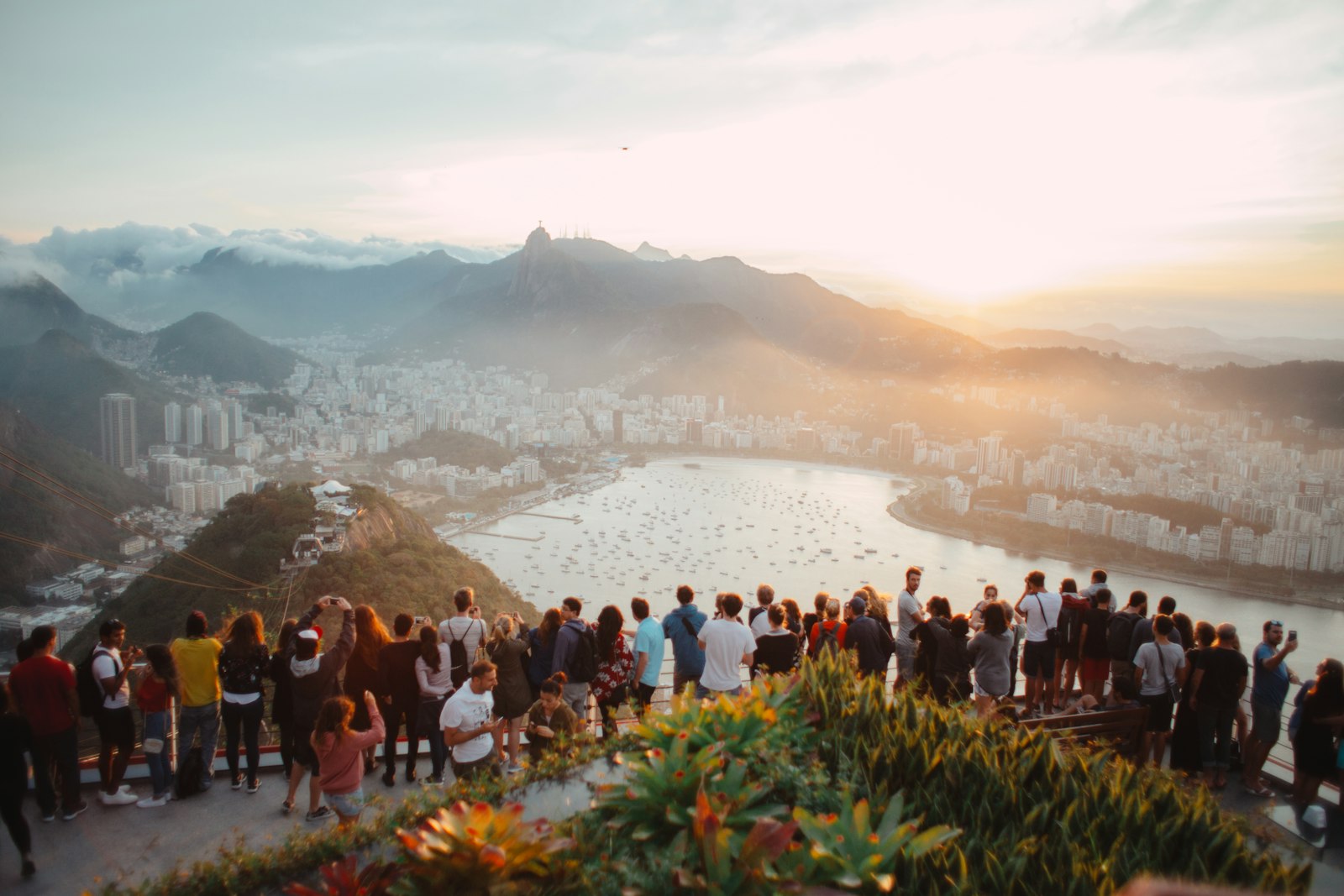
This is why autumn is, by a comfortable margin, the busiest trekking season in Nepal. Roughly 40% of all trekkers visit during these three months.
Autumn Weather Conditions
Temperatures
| Altitude | Daytime High | Night-time Low |
|---|---|---|
| Kathmandu (1,400m) | 22–27°C | 10–15°C |
| Namche Bazaar (3,440m) | 10–15°C | 0 to -5°C |
| Everest Base Camp (5,364m) | 0–8°C | -10 to -15°C |
| Thorong La (5,416m) | -2 to 5°C | -15 to -20°C |
Rainfall
Minimal. September can still see some late monsoon showers in the first two weeks, but by October the skies are almost guaranteed to be dry. November is typically the driest month of the year.
Month-by-Month in Autumn
September
- Early September: Still monsoon-influenced. Muddy trails, afternoon clouds, but far fewer people.
- Late September: The transition. Skies clear, views open, and the first big wave of trekkers arrives. A brilliant time if you want autumn conditions with slightly fewer crowds.
October
- The undisputed king of Nepal trekking months.
- Peak visibility, peak temperatures, peak crowds.
- Dashain and Tihar festivals often fall in this window, meaning lodges may be short-staffed but the cultural atmosphere is electric.
- Book early. Flights to Lukla, teahouses at Gorak Shep, and good guides are all snapped up months in advance.
November
- Colder, especially at night, but still gloriously clear.
- Crowds thin out noticeably after the first week.
- Our guides’ personal favourite month for high-altitude treks like the Three Passes and Annapurna Circuit.
- By late November, some higher lodges start closing for winter.
Pros of Autumn Trekking
- Most reliable weather of the year
- Best mountain visibility
- All routes and passes open
- Full teahouse services and menus
- Festive atmosphere with Dashain and Tihar
- Comfortable daytime temperatures
Cons of Autumn Trekking
- Crowded trails and teahouses (especially EBC and Annapurna)
- Higher prices for flights and accommodation
- Lukla flight delays due to volume, not weather
- Need to book everything well in advance
- Less “wilderness” feeling on popular routes
Best Treks for Autumn
- Everest Base Camp Trek
- Everest Three High Passes Trek
- Annapurna Circuit Trek
- Manaslu Circuit Trek
- Kanchenjunga Base Camp Trek
- Makalu Base Camp Trek
- Gokyo Lakes Trek
- Langtang Valley Trek
“October in the Khumbu is like walking through a postcard someone forgot to make. Every turn gives you a view that stops you mid-step. Yes, it’s busy, but there’s a reason for that.”
— Pemba Sherpa, Senior Guide, The Himalayan Guides (22 Everest Base Camp seasons)
4. Spring (March–May): The Season of Colour
Why Spring Is the Second-Best Trekking Season in Nepal
If autumn is about crystal-clear views, spring is about life. As the winter snows retreat, Nepal’s hillsides explode into colour. Rhododendron forests, some of them stretching for kilometres, bloom in red, pink, and white. Wildlife is more active. The days grow longer and warmer. And there’s an energy on the trail that’s hard to describe, partly because spring is also the main Everest climbing season, so the Khumbu is buzzing with expeditions.
Spring Weather Conditions
Temperatures
| Altitude | Daytime High | Night-time Low |
|---|---|---|
| Kathmandu (1,400m) | 25–30°C | 12–18°C |
| Namche Bazaar (3,440m) | 10–16°C | -2 to 3°C |
| Everest Base Camp (5,364m) | 2–10°C | -8 to -12°C |
| Annapurna Base Camp (4,130m) | 5–12°C | -5 to 0°C |
Rainfall and Haze
Spring sees occasional afternoon showers, particularly in April and May, as pre-monsoon moisture builds. Lower elevations can be hazy because of agricultural burning and dust, which sometimes obscures distant views from viewpoints like Poon Hill. Above 3,500 metres, however, the air stays reasonably clear, especially in the mornings.
Month-by-Month in Spring
March
- Cold at altitude early in the month, but warming quickly.
- Rhododendrons start blooming at lower elevations (1,500–2,500m).
- Trails still quiet in the first half of the month.
- Some high passes may still hold snow.
April
- The sweet spot of spring.
- Rhododendrons at full bloom between 2,500 and 3,500 metres.
- Everest Base Camp fills with expedition tents – a fascinating sight.
- Warm, long days ideal for high-altitude trekking.
May
- Hot and hazy at low elevations.
- Best month for high-altitude routes and climbing peaks like Island Peak and Mera Peak.
- Afternoon clouds and occasional thunderstorms become more common.
- Late May marks the pre-monsoon transition – weather becomes less predictable.
Pros of Spring Trekking
- Spectacular rhododendron blooms
- Warmer temperatures than autumn, especially at night
- Longer daylight hours
- Excellent for peak climbing
- Active wildlife (red pandas, Himalayan tahr, danphe pheasants)
- Slightly fewer crowds than October
Cons of Spring Trekking
- Haze at lower altitudes can dull views
- Afternoon clouds and occasional rain
- Still quite busy on major routes
- Hot and humid in the lowlands by May
Best Treks for Spring
- Annapurna Base Camp Trek (rhododendron paradise)
- Ghorepani Poon Hill Trek
- Langtang Valley and Gosaikunda Trek
- Everest Base Camp Trek
- Mardi Himal Trek
- Helambu Trek
- Island Peak / Mera Peak Climbing
“People come for the mountains and leave talking about the rhododendrons. In April, the forest between Ghorepani and Tadapani looks like it’s on fire. I’ve been guiding for 15 years and it still gets me every time.”
— Lakpa Tamang, Trekking Guide, The Himalayan Guides
5. Winter (December–February): The Quiet Season
Is Winter Trekking in Nepal a Good Idea?
Short answer: yes, with the right expectations.
Winter is Nepal’s most underrated trekking season. The skies are the clearest and sharpest of the year. The trails are almost empty. Teahouse owners have time to sit and chat with you over a dal bhat instead of rushing between fifty tables. And the mountains, dusted in fresh snow, look more dramatic than ever.
The trade-off, of course, is the cold. Above 4,000 metres, night-time temperatures regularly plunge below -20°C. Some high passes close entirely. Many lodges at the highest points (Gorak Shep, Thorong Phedi High Camp, Gokyo) shut down or run limited services.
Winter Weather Conditions
Temperatures
| Altitude | Daytime High | Night-time Low |
|---|---|---|
| Kathmandu (1,400m) | 17–20°C | 2–5°C |
| Namche Bazaar (3,440m) | 3–8°C | -10 to -15°C |
| Everest Base Camp (5,364m) | -5 to 0°C | -20 to -30°C |
| Ghorepani (2,860m) | 6–10°C | -5 to 0°C |
Snow and Pass Closures
- Thorong La (5,416m): Frequently closed after heavy snowfall, particularly January–February.
- Larkya La (5,106m): Often impassable in deep winter.
- Cho La, Renjo La, Kongma La: Risky without proper equipment and experienced guides.
- Lower routes (below 4,000m): Generally open and safe all winter.
Month-by-Month in Winter
December
- Early December is a hidden gem – autumn clarity with winter solitude.
- Christmas and New Year bring a small bump in visitors.
- Most high passes still crossable in the first half of the month.
January
- Coldest month of the year.
- Heavy snowfall possible at altitude.
- Excellent for low-altitude treks and cultural walks.
- Extremely quiet trails.
February
- Still cold but days are noticeably lengthening.
- Late February sees the first hints of spring at lower altitudes.
- A good time to beat the spring crowds on treks like Poon Hill and Langtang.
Pros of Winter Trekking
- Empty trails and lodges
- The clearest, crispest mountain views of the year
- Lower prices and easy availability
- Authentic cultural interactions with locals
- Snow-covered landscapes for photographers
- No need to book months in advance
Cons of Winter Trekking
- Extreme cold at altitude
- High passes often closed
- Some high-altitude lodges shut for the season
- Shorter daylight hours (roughly 10 hours)
- Higher risk of snow-related delays
- Requires heavier, warmer gear
Best Treks for Winter
- Ghorepani Poon Hill Trek
- Langtang Valley Trek (up to Kyanjin Gompa)
- Mardi Himal Trek
- Everest Panorama Trek (Namche and Tengboche)
- Helambu Trek
- Khopra Ridge Trek
- Lower Everest Base Camp Trek (possible but demanding – experienced trekkers only)
“I did the Poon Hill trek in January once, mostly to see what it was like. We had the entire viewpoint to ourselves at sunrise. Dhaulagiri, Annapurna South, Machhapuchhre, all glowing pink, and just the two of us and the guide. That doesn’t happen in October.”
— Sarah M., The Himalayan Guides client from the UK
6. Monsoon (June–August): The Secret Season
Should You Trek in Nepal During the Monsoon?
Most guidebooks will tell you to avoid Nepal during the monsoon. For the majority of trails, that’s fair advice. Between June and August, the country receives most of its annual rainfall. Trails turn to mud, leeches emerge in their millions, landslides block roads, and the mountains hide behind thick cloud for days at a time.
But here’s what the guidebooks often skip: some of Nepal’s most extraordinary trekking regions are at their absolute best during the monsoon.
The Rain Shadow Regions
North of the main Himalayan chain lie several high-altitude desert regions that the monsoon clouds simply cannot reach. These trans-Himalayan zones stay dry, sunny, and wildly beautiful while the rest of the country is soaked.
Upper Mustang
The former Kingdom of Lo is a place of red cliffs, ancient cave monasteries, and Tibetan Buddhist culture that has barely changed in centuries. In summer, the barley fields are green, the skies are blue, and the Tiji Festival (usually in May but sometimes June) fills Lo Manthang with masked dancers.
Upper Dolpo
Remote, rugged, and rarely visited. Shey Phoksundo Lake, with its impossible turquoise colour, is at its most vivid in summer. This is the land of The Snow Leopard and the film Himalaya. Monsoon is the only practical season to trek here.
Nar Phu Valley
A hidden valley north of the Annapurna Circuit with medieval villages and Tibetan-influenced culture. Dry enough for summer trekking, though the approach trail can be affected by rain.
Limi Valley (Humla)
For the truly adventurous. Almost no tourists, incredible wildlife, and a genuinely off-the-map feeling.
Monsoon Weather Conditions
| Region | Conditions |
|---|---|
| Kathmandu | 25–30°C, heavy rain most afternoons, humid |
| Annapurna / Everest regions | Wet, cloudy, leeches, landslide risk, poor visibility |
| Upper Mustang | 15–25°C, sunny, dry, windy afternoons |
| Upper Dolpo | 12–22°C, mostly dry, occasional light showers |
Pros of Monsoon Trekking
- Ideal season for Upper Mustang, Upper Dolpo, and Nar Phu
- Almost zero crowds anywhere
- Lush, green landscapes and roaring waterfalls
- Lowest prices of the year
- Peak season for wildflowers and botanists
- Cultural festivals like Yartung in Mustang
Cons of Monsoon Trekking
- Poor mountain views on most classic routes
- Leeches – a genuine nuisance below 3,000m
- Landslides and road blockages
- Frequent flight cancellations (Lukla, Jomsom, Juphal)
- Muddy, slippery trails
- Humid and uncomfortable at low elevations
Best Treks for Monsoon
- Upper Mustang Trek
- Upper Dolpo Trek
- Lower Dolpo Trek (Phoksundo Lake)
- Nar Phu Valley Trek
- Limi Valley Trek
- Annapurna Circuit (northern section only – Manang to Jomsom)
“Monsoon is when I take my own holidays, and I always go to Mustang. The rest of Nepal is grey and wet, and then you fly into Jomsom and it’s sunshine and blue sky. It’s like a different country.”
— Dawa Gurung, Operations Manager, The Himalayan Guides
7. Month-by-Month Trekking Calendar for Nepal
Here’s the whole year in one place. Use this as your quick-reference planner.
| Month | Overall Rating | Weather Summary | Top Trek Picks | Crowd Level |
|---|---|---|---|---|
| January | ★★★☆☆ | Very cold, dry, clear, snow at altitude | Poon Hill, Langtang, Mardi Himal | Very low |
| February | ★★★☆☆ | Cold, dry, lengthening days | Poon Hill, Helambu, Everest Panorama | Low |
| March | ★★★★☆ | Warming, early rhododendrons, some snow high up | ABC, Langtang, EBC (late March) | Moderate |
| April | ★★★★★ | Warm, rhododendrons peak, clear mornings | EBC, ABC, Poon Hill, Mardi Himal | High |
| May | ★★★★☆ | Hot low down, good high up, hazy | EBC, Island Peak, Mera Peak, Upper Mustang | Moderate–High |
| June | ★★☆☆☆ | Monsoon begins, rain shadow ideal | Upper Mustang, Upper Dolpo, Nar Phu | Very low |
| July | ★★☆☆☆ | Peak monsoon, rain shadow only | Upper Mustang, Upper Dolpo | Very low |
| August | ★★☆☆☆ | Monsoon continues, rain shadow only | Upper Dolpo, Limi Valley | Very low |
| September | ★★★★☆ | Monsoon retreats, clearing skies | Manaslu, Langtang, EBC (late Sept) | Low–Moderate |
| October | ★★★★★ | Perfect – clear, dry, mild | Everything | Very high |
| November | ★★★★★ | Clear, dry, getting cold | EBC, Three Passes, Annapurna Circuit, Kanchenjunga | High–Moderate |
| December | ★★★☆☆ | Cold, clear, quiet | Poon Hill, Langtang, Everest Panorama | Low |
8. Best Season by Trek: Region-by-Region Breakdown
Not all treks are created equal when it comes to seasonality. Here’s our detailed recommendation for Nepal’s most popular routes.
Everest Region
Everest Base Camp Trek
- Best: October–November, April–May
- Good: March, early December
- Avoid: June–August (cloud cover, Lukla flight chaos)
- Note: Spring gives you the added spectacle of expedition base camp in full swing.
Everest Three High Passes Trek
- Best: October–November
- Good: April–May
- Avoid: December–February (passes dangerous), June–August
- Note: Kongma La, Cho La, and Renjo La require stable conditions. Autumn is safest.
Gokyo Lakes Trek
- Best: October–November, April–May
- Good: March, December (Gokyo lodges may be limited)
- Note: The lakes freeze in winter, which is beautiful but the trail to Gokyo Ri can be icy.
Annapurna Region
Annapurna Circuit Trek
- Best: October–November, March–April
- Good: May, September, early December
- Avoid: January–February (Thorong La closures), July–August (southern section)
- Note: The northern section (Manang–Muktinath) is in partial rain shadow and can be trekked in monsoon.
Annapurna Base Camp Trek
- Best: March–April (rhododendrons), October–November
- Good: May, September, December
- Avoid: January–February (avalanche risk in the sanctuary), June–August
- Note: The section between Deurali and Machhapuchhre Base Camp is avalanche-prone after heavy snow.
Ghorepani Poon Hill Trek
- Best: March–April, October–November
- Good: Year-round except peak monsoon
- Note: One of the few treks genuinely doable in winter with excellent views.
Mardi Himal Trek
- Best: March–April, October–November
- Good: December–February (High Camp may have snow)
- Note: A superb winter alternative to ABC.
Langtang Region
Langtang Valley Trek
- Best: October–November, March–April
- Good: December–February (up to Kyanjin Gompa)
- Avoid: June–August
- Note: Close to Kathmandu, quick access, and surprisingly good in winter.
Gosaikunda Lake Trek
- Best: October–November, April–May
- Good: March, September
- Avoid: December–February (Laurebina Pass snowbound), monsoon
- Note: The Janai Purnima festival in August draws thousands of Hindu pilgrims – a unique but crowded experience.
Restricted and Remote Regions
Manaslu Circuit Trek
- Best: October–November, March–April
- Good: September, May
- Avoid: December–February (Larkya La closures), monsoon
- Note: Gaining popularity fast. Autumn is busiest but still far quieter than Annapurna.
Upper Mustang Trek
- Best: May–September
- Good: March–April, October
- Avoid: December–February (bitterly cold, most locals leave)
- Note: Time your visit for the Tiji Festival (May/June) if you can.
Upper Dolpo Trek
- Best: June–September
- Good: May, October
- Avoid: November–April (snow closes the high passes)
- Note: Flights to Juphal are notoriously unreliable – build in buffer days.
Kanchenjunga Base Camp Trek
- Best: October–November, April–May
- Good: March, September
- Avoid: Winter, monsoon
- Note: A long, remote trek. Autumn gives the most reliable conditions.
Makalu Base Camp Trek
- Best: October–November, April–May
- Good: March, late September
- Avoid: Winter (Shipton La snowbound), monsoon
9. Best Season by Type of Trekker
Sometimes the right question isn’t “when is the best season?” but “when is the best season for someone like me?”
First-Time Trekkers
Go in October–November or March–April.
You want the odds stacked in your favour: stable weather, open lodges, plenty of other trekkers around for reassurance, and full guide availability. Don’t try to be clever with shoulder seasons on your first Himalayan trek.
Photographers
Go in November or late December/early January.
The post-monsoon clarity is unmatched in November, and the low winter sun creates long shadows and dramatic light. Winter also adds snow to the foreground and empties the viewpoints.
Solitude Seekers
Go in December–February or September.
If the idea of sharing a sunrise with 200 people makes you want to stay home, avoid October entirely. Early December on the EBC trail feels like a completely different trek.
Budget Travellers
Go in December–February or June–August.
Lodges are cheaper and more willing to negotiate. Flights are easier to book last-minute. Guides and porters are more available. Just factor in the cost of warmer gear for winter.
Peak Climbers
Go in April–May or October–November.
Island Peak, Mera Peak, Lobuche East, and other trekking peaks need stable snow conditions. Spring is generally warmer on summit day; autumn is generally clearer.
Culture and Festival Lovers
Go in October (Dashain/Tihar), May/June (Tiji in Mustang), or August (Janai Purnima at Gosaikunda).
Timing your trek around a festival transforms the experience. Just be aware that Dashain can mean closed shops and reduced transport in the cities.
Families with Children
Go in October–November or March–April on lower-altitude treks.
Poon Hill, Langtang, and the Everest Panorama trek are ideal. Avoid winter cold and monsoon leeches with kids.
Botanists and Nature Lovers
Go in April (rhododendrons) or July–August (alpine wildflowers).
The monsoon brings out orchids, primulas, gentians, and blue poppies above the treeline. Bring a good field guide and a lot of leech repellent.
10. Festivals and Cultural Events Worth Planning Around
Nepal has more festivals than days in the year, or so the saying goes. Here are the ones most relevant to trekkers.
| Festival | Approximate Timing | Where | What Happens |
|---|---|---|---|
| Losar (Tibetan New Year) | February/March | Everest, Langtang, Mustang | Family gatherings, prayer ceremonies, traditional dances |
| Holi | March | Nationwide | Festival of colours – expect to be covered in powder |
| Tiji Festival | May/June | Lo Manthang, Upper Mustang | Three-day masked dance festival banishing evil spirits |
| Dumji | June/July | Khumbu villages | Sherpa festival with masked dances at monasteries |
| Janai Purnima | August | Gosaikunda Lake | Thousands of Hindu pilgrims bathe in the sacred lake |
| Yartung | August/September | Muktinath, Mustang | Horse racing festival with archery and drinking |
| Dashain | September/October | Nationwide | Nepal’s biggest festival – 15 days of family celebrations |
| Tihar | October/November | Nationwide | Festival of lights, with houses lit by oil lamps |
| Mani Rimdu | October/November | Tengboche Monastery, Khumbu | Spectacular Buddhist festival with masked dances – perfectly timed for EBC trekkers |
“If you can arrange your Everest Base Camp trek to pass through Tengboche during Mani Rimdu, do it. Watching the monks perform masked dances with Ama Dablam behind them is something you’ll remember forever.”
— Pemba Sherpa, Senior Guide
11. What to Pack for Each Season
The core kit is similar year-round, but the details change a lot. Here’s what to adjust.
Year-Round Essentials
- Broken-in trekking boots
- Layered clothing system (base, mid, shell)
- Down jacket (yes, even in spring – nights are cold above 4,000m)
- Sleeping bag rated to at least -10°C
- Trekking poles
- Headlamp with spare batteries
- Water purification (tablets, filter, or UV)
- Sunglasses (category 3 or 4) and high-SPF sunscreen
- First aid kit including altitude medication (consult your doctor about Diamox)
- Power bank – charging costs money and isn’t always available
Season-Specific Additions
Autumn
Add:
- Warm hat and gloves for early mornings and evenings
- Lip balm with SPF (the dry air is brutal)
- Extra camera batteries (cold drains them fast)
Skip:
- Heavy waterproofs (a light shell is enough)
Spring
Add:
- Light rain jacket for afternoon showers
- Insect repellent for lower altitudes
- Sun hat (spring sun at altitude is fierce)
Skip:
- Expedition-weight down (a mid-weight jacket usually suffices)
Winter
Add:
- Sleeping bag rated to -20°C or lower
- Expedition-weight down jacket
- Microspikes or crampons for icy trails
- Insulated water bottle (water freezes overnight)
- Hand and toe warmers
- Thermal base layers (two sets)
- Balaclava or buff
Skip:
- Nothing. Take everything.
Monsoon
Add:
- Full waterproofs (jacket and trousers)
- Waterproof pack cover and dry bags
- Gaiters (for mud and leeches)
- Leech socks or salt
- Quick-dry everything
- Umbrella (locals use them for good reason)
Skip:
- Heavy down (unless going to high altitude in Dolpo)
12. Costs, Crowds, and Permits by Season
How Prices Change Through the Year
| Item | Autumn (Peak) | Spring | Winter | Monsoon |
|---|---|---|---|---|
| Lukla flight | USD 200–230 one way | USD 200–230 | USD 180–200 | Often cancelled |
| Teahouse room (EBC route) | USD 5–15+ (often free with meals) | USD 5–10 | USD 2–5 | USD 2–5 |
| Dal bhat at 4,000m+ | USD 8–12 | USD 8–12 | USD 8–12 | N/A (lodges closed) |
| Guide daily rate | USD 30–40 | USD 30–40 | USD 25–35 | USD 25–35 |
| Porter daily rate | USD 20–25 | USD 20–25 | USD 18–22 | USD 18–22 |
| Kathmandu hotel (mid-range) | USD 40–70 | USD 35–60 | USD 30–50 | USD 25–45 |
Prices are indicative and subject to change.
Permit Costs (Fixed Year-Round)
Permit prices don’t change with the season, but it’s useful to know them:
- TIMS Card: NPR 2,000 (organised trekkers) – now compulsory to trek with a licensed guide in most regions
- Sagarmatha National Park: NPR 3,000
- Khumbu Pasang Lhamu Rural Municipality Fee: NPR 2,000
- Annapurna Conservation Area (ACAP): NPR 3,000
- Langtang National Park: NPR 3,000
- Manaslu Restricted Area: USD 100 per week (Sept–Nov), USD 75 per week (Dec–Aug)
- Upper Mustang Restricted Area: USD 500 for 10 days
- Upper Dolpo Restricted Area: USD 500 for 10 days
Note the seasonal difference on Manaslu – another reason shoulder-season trekking can be cheaper.
Crowd Levels: A Reality Check
To put things in perspective, Sagarmatha National Park recorded around 60,000 trekkers in a recent year. Roughly 25,000 of them came in October and November alone. Meanwhile, January saw fewer than 1,500.
That’s not to say October is bad. Just know what you’re signing up for.
13. Safety and Weather Considerations
Altitude Sickness Doesn’t Care About the Season
Acute Mountain Sickness (AMS) is the single biggest risk on any Nepal trek, and it can strike in perfect October weather just as easily as a January storm. Regardless of when you go:
- Ascend no more than 300–500 metres per day above 3,000m
- Build in acclimatisation days (Namche, Dingboche, Manang)
- Drink 3–4 litres of water daily
- Never ascend with symptoms
- Trek with a guide who knows the signs
Season-Specific Risks
Autumn
- Flight delays at Lukla due to sheer volume of traffic
- Late-season cyclones from the Bay of Bengal (rare but serious – the October 2014 Annapurna blizzard is the cautionary tale)
- Overcrowded lodges at high altitude, sometimes forcing trekkers to push higher than they should
Spring
- Avalanche risk in Annapurna Sanctuary and on Cho La after fresh snow
- Afternoon thunderstorms at altitude in May
- Dehydration from warmer temperatures and sun exposure
Winter
- Hypothermia and frostbite at high altitude
- Pass closures with little warning
- Limited rescue options as some helicopter routes are affected by weather
- Icy trails especially on north-facing slopes
Monsoon
- Landslides on road approaches (Arughat, Syabrubesi, Beni)
- Flight cancellations lasting days at Lukla, Jomsom, Juphal
- Leech bites (harmless but unpleasant)
- Swollen river crossings on remote trails
Travel Insurance
Whatever the season, get insurance that specifically covers:
- Trekking up to your maximum altitude (usually 6,000m)
- Helicopter evacuation
- Trip cancellation due to weather
Standard travel insurance often excludes altitude above 3,000m. Read the fine print.
14. Insider Tips from Our Guides
After thousands of treks across every season, here’s what our team wishes every trekker knew:
Tip 1: The Shoulder of the Shoulder Season Is the Sweet Spot
The last ten days of September and the first ten days of December are, in our honest opinion, the best-kept secrets in Nepal trekking. You get most of the autumn clarity with a fraction of the crowds.
Tip 2: Start Walking Early, Every Day
Regardless of season, Himalayan weather follows a pattern: clear mornings, clouds building by early afternoon. Be walking by 7 a.m. and you’ll see the mountains. Sleep till 9 and you’ll see fog.
Tip 3: Book Lukla Flights for the Morning
Morning flights have the best chance of departing on time. Afternoon flights are the first to be cancelled when clouds roll in.
Tip 4: Build Buffer Days into Every Itinerary
Two spare days minimum. Three if you’re flying to Lukla, Jomsom, or Juphal. Four in monsoon. Missed international flights because of a stuck domestic flight are the most common travel disaster we see.
Tip 5: Dashain Is a Double-Edged Sword
The festive atmosphere is wonderful, but many guides and porters want to be home with family. If you’re trekking during Dashain, book your team early and expect to pay a small premium.
Tip 6: Consider Flying Into Ramechhap in Peak Season
During October–November and March–May, most Lukla flights depart from Ramechhap (Manthali) rather than Kathmandu. It’s a 4–5 hour drive but it dramatically reduces delays.
Tip 7: In Winter, Choose Your Lodge Wisely
Look for lodges with a yak-dung stove in the dining room and ask if they have blankets. Most do. Sit close to the stove in the evening and get into your sleeping bag while you’re still warm.
Tip 8: Don’t Write Off the Monsoon
If your only available holiday is July, don’t cancel Nepal. Go to Mustang. You’ll come back with photographs nobody else has.
“The best season for trekking in Nepal is the season you can actually go. Every month has something to offer if you pick the right trail. Our job is to match you with it.”
— The Himalayan Guides team philosophy
15. Frequently Asked Questions
What is the best month to trek in Nepal?
October is generally considered the single best month, offering the most reliable combination of clear skies, dry trails, and comfortable temperatures. November is a close second with fewer crowds, and April is the best spring month.
Can you trek to Everest Base Camp in December?
Yes, with preparation. Early December is excellent – clear and quiet. Late December is very cold (down to -25°C at Gorak Shep) and some lodges close, but the trail itself remains open. You’ll need a -20°C sleeping bag and expedition-grade down jacket.
Is it safe to trek in Nepal during the monsoon?
On rain-shadow routes like Upper Mustang and Upper Dolpo, yes, it’s the best time. On classic routes like Everest Base Camp and Annapurna, it’s not dangerous as such, but landslides, flight cancellations, and poor views make it a frustrating experience.
What is the coldest month in Nepal for trekking?
January. Night-time temperatures at Everest Base Camp can drop to -30°C, and even Namche Bazaar sees -15°C.
When do the rhododendrons bloom in Nepal?
From early March at lower altitudes (1,500–2,000m) through to late April or early May at higher altitudes (3,000–3,500m). Mid-April is the peak for the Annapurna and Langtang regions.
Is spring or autumn better for the Annapurna Circuit?
Autumn (October–November) for the clearest views and most reliable Thorong La crossing. Spring (March–April) for warmer nights and rhododendrons in the lower valleys. Both are excellent.
How crowded is Everest Base Camp in October?
Very. Expect 500+ trekkers per day passing through Namche Bazaar at peak. Lodges at Lobuche and Gorak Shep can fill up completely, and you may end up sharing rooms or sleeping in dining halls. Booking through an agency with lodge relationships helps enormously.
Can I trek in Nepal in February?
Absolutely. February is cold but often very clear, and late February starts to warm up. Poon Hill, Langtang Valley, Mardi Himal, and the Everest Panorama trek are all excellent February options.
When does Thorong La Pass close?
There’s no official closure. The pass becomes impassable after heavy snowfall, which is most common from late December through February. Local lodge owners at Thorong Phedi will tell you the current conditions. Never attempt it against their advice.
What is the best season for trekking in Nepal for beginners?
October–November or March–April on a well-established route like Poon Hill, Langtang Valley, or Everest Base Camp. Stable weather and full services take a lot of variables out of the equation.
Do I need a guide to trek in Nepal?
As of April 2023, Nepal Tourism Board requires all foreign trekkers to hire a licensed guide in most trekking regions. Beyond the legal requirement, a good guide makes any season safer and more rewarding.
Which season has the fewest flight cancellations to Lukla?
October–November and April have the most stable flying weather. However, sheer traffic volume in October causes delays of its own. Early December often has the best combination of good weather and manageable traffic.
16. Final Thoughts: Choosing Your Season
Let’s bring it all together.
Choose autumn if you want the most reliable weather, the clearest views, and don’t mind sharing the trail. This is the safest bet for first-timers and anyone with a once-in-a-lifetime trip riding on it.
Choose spring if you love colour, warmer nights, and the buzz of expedition season. Ideal for the Annapurna region and for anyone adding a trekking peak to their itinerary.
Choose winter if you crave solitude, don’t mind the cold, and are happy to stick to lower altitudes. The photographs alone are worth it.
Choose monsoon if you’re heading to Mustang, Dolpo, or another rain-shadow region, or if your calendar simply doesn’t give you another option. Go in with the right expectations and you’ll have a remarkable trip.
Whichever season you choose, the Himalayas will deliver. These mountains have been humbling people for centuries. All you have to do is show up at the right time, on the right trail, with the right team beside you.
Ready to Plan Your Nepal Trek?
At The Himalayan Guides, we’ve been designing seasonally-tailored Himalayan journeys since long before “shoulder season” became a buzzword. Every one of our itineraries is built around the realities of Nepal’s weather, not around a template.
Whether you’re dreaming of an October Everest Base Camp trek, an April walk through the rhododendron forests of Annapurna, a silent January sunrise from Poon Hill, or a monsoon adventure into the forbidden kingdom of Mustang, we’ll match you with the right trail, the right dates, and the right guide.
Get in touch today for a free, no-obligation consultation. Tell us when you can travel, and we’ll tell you where you should go.